

Injection molding is a foundational process in modern manufacturing, known for producing high-quality plastic parts with speed and consistency. Within this process, two powerful sub-techniques—insert molding and overmolding—further expand its capabilities.
In this guide, we’ll explore the key differences, benefits, and ideal use cases for insert molding vs. overmolding, helping you choose the right method for your product.
? What Is Insert Molding?
Insert molding is a process where a metal or preformed part (insert) is placed into the mold before molten plastic is injected around it. Once cooled, the result is a single, bonded component that merges plastic and metal.
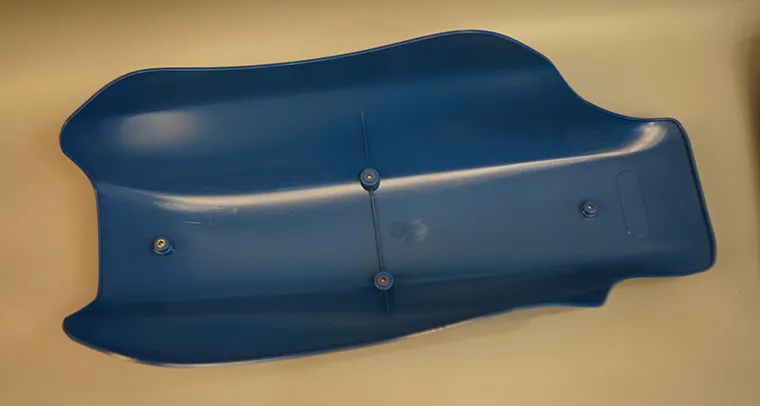
? Common Applications:
- Molded fasteners and threaded inserts
- Medical devices with metal blades
- Automotive brackets and bushings
- Electrical housings with conductive parts
✅ Benefits of Insert Molding
- Reduced Assembly Costs: Combines components in one step, eliminating manual assembly.
- Improved Strength & Durability: Metal inserts add strength where plastic alone isn’t sufficient.
- Miniaturization: Consolidates parts, allowing for more compact designs.
- Enhanced Wear Resistance: Metal inserts protect high-wear areas.
⚠️ Challenges of Insert Molding
- Requires integration of two manufacturing processes (e.g. CNC + molding)
- Higher upfront cost for custom metal inserts
- More complex design for manufacturability (DFM) integration
? What Is Overmolding?
Overmolding is a two-step injection molding process where a molded plastic part is placed into a second mold, and an additional layer of plastic is molded over it. This technique is ideal for combining multiple plastic materials or creating aesthetic and ergonomic enhancements.
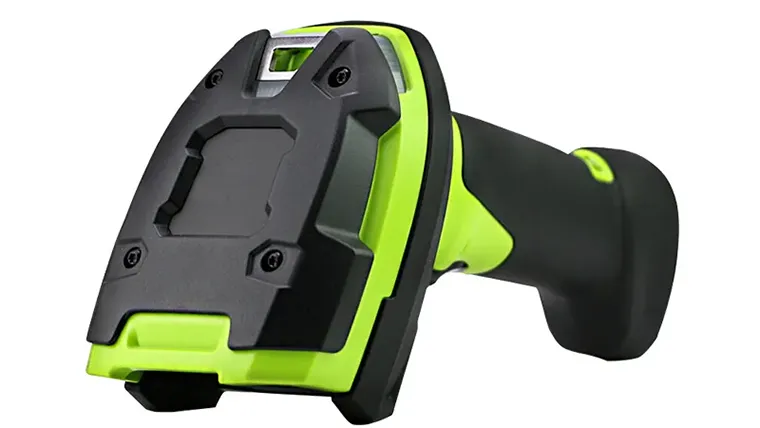
?️ Common Applications:
- Tool handles (screwdrivers, drills)
- Toothbrushes
- Electronic enclosures with built-in seals
- Soft-touch grips on wearables or packaging
✅ Benefits of Overmolding
- Material Versatility: Combine rigid and soft plastics for functionality and feel.
- Improved Aesthetics: Achieve multi-color parts without painting or printing.
- Enhanced User Comfort: Soft-touch overmolds improve grip and tactile experience.
- Seamless Integration: Embedded seals eliminate the need for separate gaskets.
⚠️ Challenges of Overmolding
- Requires two molds or a complex two-shot mold
- Increased cycle time compared to single-shot molding
- Potential for debonding if material compatibility or temperatures aren’t optimal
Side-by-Side Comparison: Insert Molding vs. Overmolding
| Feature | Insert Molding | Overmolding |
|---|---|---|
| Materials Combined | Metal + Plastic | Plastic + Plastic |
| Mold Cycles | Single mold shot | Two molds or two-shot tooling |
| Ideal Use | Strength, mechanical fastening | Comfort, sealing, grip, visual appeal |
| Part Strength | High (due to metal reinforcement) | Moderate to high (depends on materials) |
| Design Complexity | Moderate to high | High |
| Adhesives Required | No | No |
| Cost | Moderate | Higher (due to extra tooling and time) |
| Common Examples | Inserts in housings, bushings | Tool grips, toothbrushes, overmolded buttons |
Material Considerations
Insert Molding Materials:
- Inserts: Brass, stainless steel, aluminum
- Plastics: Nylon, ABS, PBT, PC
Overmolding Materials:
- Base: ABS, PC, Nylon
- Overmold: TPE, TPU, soft PVC
Tip: Always ensure material compatibility for thermal bonding or use mechanical interlocks to prevent delamination.
Design Tips and DFM Considerations
When planning for insert molding or overmolding, consider the following best practices:
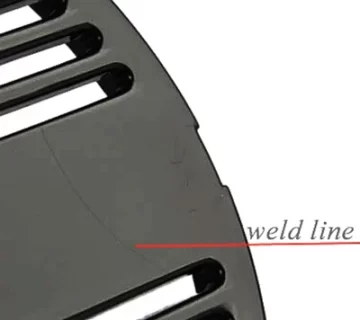
- Utilize Mold Flow Analysis to optimize plastic flow and prevent defects such as air traps and weld lines.
- Design for shrinkage and incorporate appropriate draft angles to facilitate smooth part ejection.
- Incorporate mechanical interlocks to enhance bonding between dissimilar materials in overmolding processes.
- Implement automated insert placement using robotics or specialized fixtures for efficient high-volume production.
Which Should You Choose?
The choice between insert molding and overmolding depends on your product’s specific requirements:
Use Insert Molding When You Need:
- High mechanical strength with embedded metal components
- Reduction in assembly steps through component integration
Use Overmolding When You Need:
- Soft-touch finishes or ergonomic grips
- Integrated water or dust seals
- Aesthetic enhancements or brand differentiation
If uncertain, consult with an expert early in the design process. Key considerations include material compatibility, mold design, and production volume.
Expert Support from DSW
At DSW, we offer custom injection molding solutions, including insert molding, overmolding, and standard plastic injection molding. Our engineering team can assist you from design validation and mold flow analysis to prototyping and production.