Plastic injection molding defects can significantly impact part quality, dimensional accuracy, and production efficiency. Even small variations in mould design, material behaviour, or process settings can lead to visible or functional issues in finished plastic parts.
This category page serves as a technical hub for understanding the most common plastic injection molding defects, their root causes, and practical prevention methods used in modern plastic moulding.
What Are Injection Molding Defects?
Injection molding defects are imperfections formed during filling, packing, cooling, or ejection stages. They impact surface finish, mechanical strength, and dimensional consistency of plastic parts.
Technical Overview
Injection molding defects usually originate from mould design limitations, process instability, or material behaviour.
Understanding these factors is essential to improving part consistency, reducing scrap rate, and ensuring stable mass production.
Common Injection Molding Defects
| Defect |
Description |
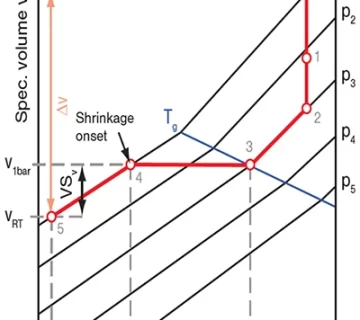
| Plastic Shrinkage |
Uneven cooling causes dimensional variation and internal stress. |
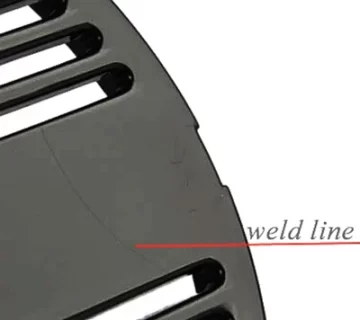
| Weld Lines |
Form where melt fronts meet but fail to fully fuse, reducing strength. |
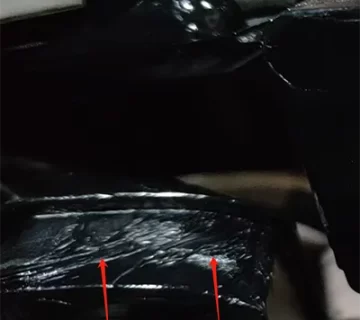
| Flow Marks / Short Shots |
Caused by unstable melt flow or incomplete cavity filling. |
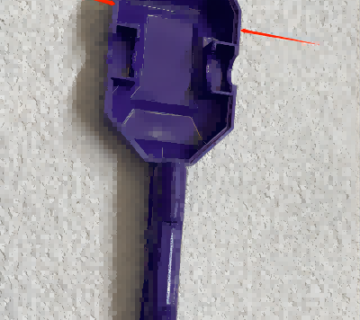
| Ejector Marks |
Surface marks created during part ejection from the mould. |
| Sink Marks |
Depressions caused by uneven shrinkage in thick sections. |
| Warpage |
Part deformation due to internal stress and uneven cooling. |
Root Causes
- Mould design: poor gating, uneven wall thickness, weak venting
- Process: incorrect temperature, pressure, or cycle time
- Material: moisture, wrong grade, poor flow properties
Prevention Methods
- Apply DFM in early design stage
- Use mould flow analysis before tooling
- Standardize process parameters
- Improve cooling system design
- Ensure proper material drying
Related Articles
Plastic Shrinkage in Injection Molding
Dimensional stability and shrinkage behaviour in molded parts.
Weld Lines in Injection Molding
Weak weld formation: causes and prevention methods.
Flow Defects in Plastic Parts
Jetting, flow marks, and short shots troubleshooting.
Ejector Marks in Plastic Moulding
Surface defect control and tooling optimisation.
Engineering Support
DSW provides plastic injection moulding engineering support, including defect analysis,
mould design optimization, and process troubleshooting for stable production.