Wikipedia provides detailed information on both plastic molds and the injection molding process.
This category helps buyers and sourcing managers understand the essentials of plastic mold and injection molding. It’s one of the most efficient methods for producing high-volume plastic parts with consistent quality.

Injection molding works by injecting molten plastic into a custom mold. The mold’s design and material choice (like steel or aluminum) directly affect the final product’s quality, lead time, and cost. Whether you’re purchasing enclosures, technical components, or consumer parts, this category explains key terms, material options, mold types, and what to consider when choosing a supplier.

Ideal for those buying custom plastic parts or managing OEM projects, it offers clear guidance to help you make smarter, more cost-effective decisions.

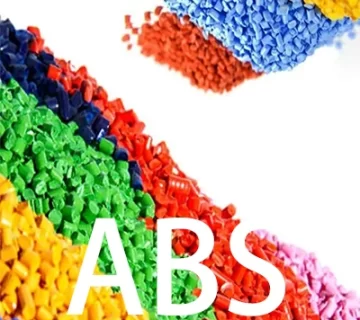
ABS plastic is particularly well suited for external housings and functional components

ABS Plastic: Properties, Applications, Advantages and Limitations

ABS (Acrylonitrile Butadiene Styrene) is a versatile thermoplastic known for its strength, impact resistance, and ease of processing. This article explores ABS’s key properties, advantages, drawbacks, common grades, and industrial applications across electronics, automotive, medical, and consumer products. An essential guide for engineers and buyers seeking durable and cost-effective plastic solutions. ... Read More
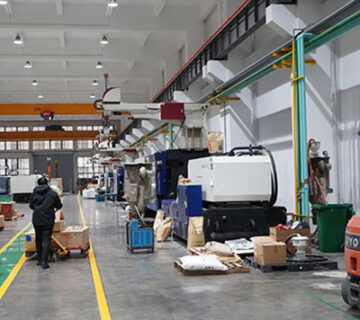
ABS injection molding, ABS plastic molding

How does the ABS plastic injection moulding process work?

ABS plastic injection moulding is a widely adopted manufacturing method known for producing strong, durable, and precise parts. ABS (Acrylonitrile Butadiene Styrene) offers excellent impact resistance, smooth surface finish, and cost-effectiveness, making it ideal for automotive, electronics, and consumer goods. This article outlines the ABS injection process, key material properties, design considerations, and real-world applications. ... Read More
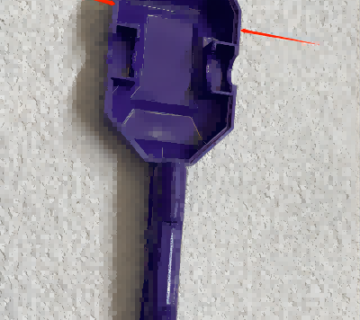
Ejector marks on plastic injected parts

What causes ejector marks on injection-molded parts?

Ejector pin marks are common surface defects in injection-molded parts, often appearing as glossy spots, white imprints, or small dents. This guide explains the top causes of ejector marks—ranging from poor mold design and part geometry to incorrect machine settings—and offers proven solutions to reduce or eliminate them in plastic moulding. ... Read More