

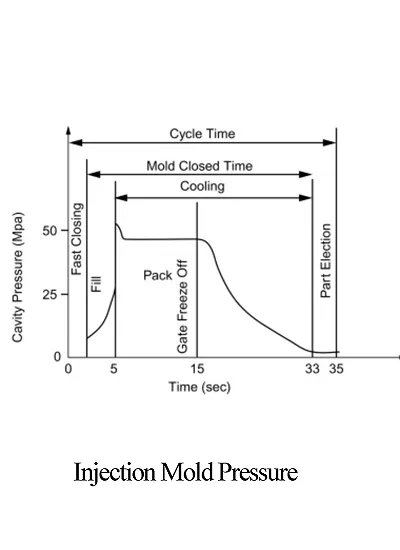
Injection molding is a widely used process for producing plastic parts in industries like automotive, consumer goods, and medical devices. Understanding the various pressures involved is crucial for optimizing both the quality of the parts and the efficiency of the molding process. This article explores the main types of pressures in injection molding: injection pressure, clamping pressure, back pressure, and nozzle pressure. It also discusses how to manage these pressures effectively for optimal results.
1. Plastic Injection Molding Pressure
Injection pressure is the force applied to molten plastic to fill the mold cavity. This pressure is measured by sensors located in the nozzle or hydraulic line. The amount of injection pressure required varies based on factors like mold complexity, material type, and part size. The more difficult it is to fill the mold, the higher the required injection pressure.
Stages of Injection Pressure
- Stage 1 Pressure: This is the pressure required during the filling phase. Higher injection pressure is needed when dealing with complex mold designs or materials with higher viscosity. The aim is to fill the mold cavity quickly without any gaps or air pockets.
- Stage 2 Pressure: After the mold is filled, the pressure is reduced but maintained at a lower level to “pack” the material into the cavity. For some materials, such as semi-crystalline thermoplastics (e.g., Polyamide and POM), applying stage 2 pressure can degrade the material. In these cases, stage 2 pressure may be unnecessary.
2. Clamping Pressure
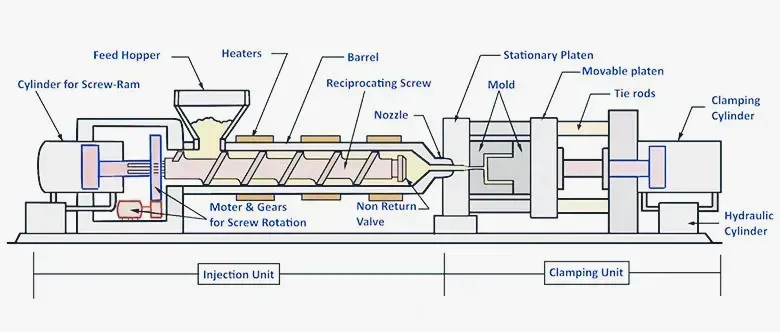
Clamping pressure is the force required to keep the mold closed against the injection pressure. If the clamping force is too low, the mold may open slightly, causing defects like flashing, where excess plastic is forced out of the mold. On the other hand, excessive clamping force can lead to unnecessary machine wear.
Clamping Force Calculation
Clamping force is based on the projected area of the molded part, which is the largest area seen from the direction of the clamping force. A rough guideline suggests using about 2 tons of force per square inch of projected area (approximately 31 megapascals per square meter). However, mold depth and sidewall design should also be factored into the calculation.
3. Back Pressure
Back pressure refers to the pressure that the screw must overcome to move the molten plastic through the barrel and nozzle before the injection phase. Back pressure is essential for ensuring uniform dispersion of pigments and consistent melting of the plastic.
Effects of Back Pressure
- Longer Screw Return Time: Increased back pressure slows down the screw’s return time, reducing overall cycle speed.
- Decreased Fiber Length: In reinforced plastics, excessive back pressure can shorten fibers, reducing material strength.
- Increased Machine Stress: High back pressure increases stress on the injection molding machine, leading to faster wear.
Back pressure should typically be kept under 20% of the injection pressure to avoid these issues.
4. Nozzle Pressure
Nozzle pressure is the pressure at the nozzle during the injection process. It is related to both the injection pressure and the linear pressure inside the mold. As the difficulty of filling the mold increases, nozzle pressure rises accordingly. In spiral injection molding machines, nozzle pressure is usually about 10% less than the injection pressure, while in piston systems, pressure loss can be as high as 50%.
Maintaining Correct Nozzle Pressure
Maintaining the correct nozzle pressure is crucial for achieving consistent flow into the mold cavity, minimizing defects like incomplete fills or air bubbles.
5. The Role of Injection Speed and Pressure
Injection Speed: Injection speed refers to how quickly the molten plastic is injected into the mold. Faster injection speeds often require higher injection pressures, but this can lead to defects such as jetting or air entrapment. Slower speeds can cause incomplete mold filling or long cycle times.
The key is balancing speed and pressure. Optimizing the injection speed ensures that the mold is filled properly without unnecessary defects, while also avoiding excessive pressure that could degrade the material or damage the mold.
6. Impact of Injection Pressure on Part Quality
Injection pressure significantly impacts part quality. The right pressure ensures the mold is filled properly, minimizes defects, and improves the overall surface finish. Key impacts of injection pressure on part quality include:
- Surface Finish: Higher injection pressures typically result in smoother surfaces. However, excessive pressure can lead to burn marks or material degradation.
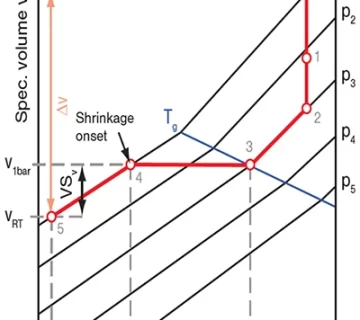
- Shrinkage and Warping: If the pressure during the packing phase is too low, it can cause uneven cooling, resulting in shrinkage or warping. Managing the right pressure during cooling minimizes these defects.
- Material Degradation: Excessive injection pressures can cause thermal degradation, especially in sensitive materials like thermoplastics. This can lead to weaker parts and a reduction in overall product lifespan.
7. Optimizing Injection Pressure for Efficiency
- Energy Efficiency: High injection pressures consume more energy and put additional strain on the machine. Over time, this leads to higher energy costs and greater maintenance requirements. By fine-tuning injection pressure and optimizing machine settings, manufacturers can achieve a more energy-efficient molding process.
- Cycle Time: Properly managed injection pressure can also reduce cycle time. If the injection pressure is optimized, the material fills the mold quickly and efficiently, leading to faster cooling and shorter overall cycle times. This improves productivity without compromising part quality.
- Advanced Pressure Control: Today’s injection molding machines often come with real-time pressure sensors and automated control systems. These sensors monitor and adjust pressure dynamically, ensuring consistent quality throughout the production cycle and reducing human error.
8. Troubleshooting Injection Pressure Issues
- Excessive Injection Pressure: If the injection pressure is too high, it can cause defects like flash (excess material), burn marks, or degraded material. Solutions include adjusting the melt temperature, reducing the injection speed, or improving the mold’s venting.
- Inconsistent Pressure: Variations in pressure during the injection cycle can result in uneven material distribution, leading to issues like voids or weak spots in the molded part. Using a consistent pressure profile throughout the molding cycle can help prevent these defects.
- Low Injection Pressure: Low injection pressure can cause short shots or incomplete filling of the mold. Solutions include increasing the melt temperature, adjusting the screw speed, or improving mold design to facilitate better flow.
9. Injection Molding Pressures for Optimal Results
Successfully managing the different types of pressures in injection molding is crucial for producing high-quality parts efficiently. By understanding how injection pressure, clamping pressure, back pressure, and nozzle pressure influence the molding process, manufacturers can optimize settings to improve part quality, reduce defects, and enhance machine longevity.
Key strategies for managing injection pressures include:
- Balancing speed and pressure to avoid defects.
- Optimizing machine settings for energy efficiency and faster cycle times.
- Using advanced sensors and automated control systems for real-time adjustments.
By implementing these best practices, manufacturers can improve both the productivity and sustainability of their injection molding operations, ensuring better quality parts and reduced waste.