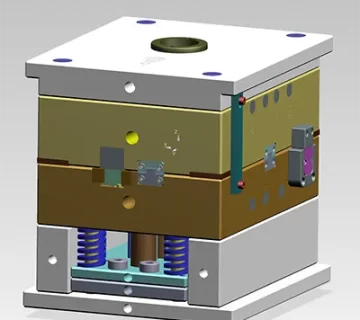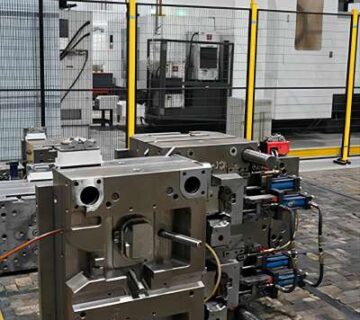


Understanding the Differences Between 2-Plate and 3-Plate Molds in Injection Molding
Injection molding is a versatile manufacturing process that enables the precision and efficiency of the production of complex plastic parts. A key decision in this process is selecting the right mold type. The two primary designs—2-plate and 3-plate molds—each offer unique features, advantages, and applications. By understanding their differences and the specific scenarios they suit, manufacturers can make informed choices to optimize production outcomes.
What is a 2-Plate Mold?
A 2-plate mold, also known as a two-plate mold, is the most straightforward and most commonly used injection mold design. It consists of two main sections:
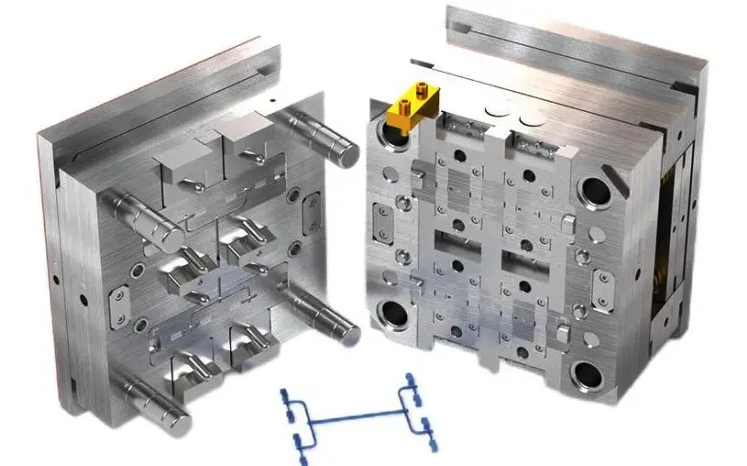
1. Cavity Plate(Fixed Side A): It contains the final part’s cavity or impression, defining its outer shape and surface finish.
2. Core Plate(Movable Side B): Complements the cavity plate and shapes the inner surface of the part. It often includes ejector pins for part removal.
When the mold opens, it separates along a single parting line, ejecting the molded part. The runner system channels molten plastic from the injection nozzle to the cavities, remains attached to the molded part, and must be removed manually or mechanically.
Key Features of a Two-Plate Mold:
• Single Parting Line: Simplifies the mold design and operation.
• Integrated Runner System: Runners are on the same plane as the molded part.
Advantages of 2-Plate Molds:
• Simplicity: The straightforward design reduces tooling costs and maintenance needs.
• Cost-Effectiveness: Ideal for budget-conscious projects, particularly with high production volumes.
• Fast Cycle Times: Simpler mechanics enable quicker mold opening and closing.
• Durability: Robust construction handles the stress of molding large or straightforward parts.
Limitations of Two-Plate Molds:
• Manual Runner Removal: Requires additional steps to separate parts from runners.
• Limited Design Flexibility: Less suitable for intricate parts requiring multiple gates.
Example Applications:
2-plate moulds are ideal for larger, straightforward parts such as automotive panels, flat plastic containers, or industrial equipment components.
Two-plate mold design
The two-plate mold is one of the simplest and most widely used injection mold designs, offering numerous advantages for manufacturing plastic components. This mold design comprises two primary sections: Side A (the fixed side) and Side B (the movable side). During the injection moulding process, Side A remains stationary, while Side B moves to facilitate the ejection of moulded parts.
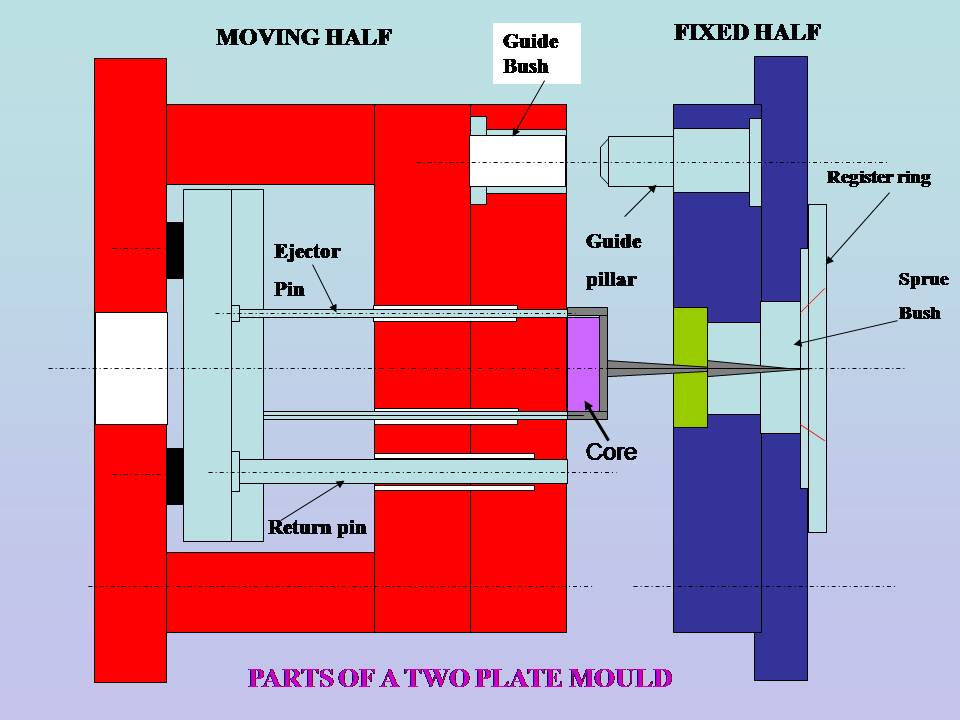
Below are the key components of a two-plate mold and their functions:
-
- Return Pin
- Ensures the ejector pin retracts before the mold closes, preventing damage to moulded products.
- Sprue
- Channels the molten material from the injection nozzle into the mold cavity, facilitating uniform flow.
- Ejector Guide Pin
- Provides precise guidance for the ejector system to ensure accurate ejection of moulded parts.
- Guide Pin and Guide Bushing
- Work together to maintain alignment and precision between Side A and Side B during mold operation.
- Location Ring
- Aligns the injection nozzle with the sprue, ensuring the proper flow of molten material into the mold. It is typically manufactured from durable materials like S55C to withstand wear and tear.
This straightforward yet practical design is widely favoured for its simplicity, reliability, and cost-efficiency in producing high-quality plastic components.
What is a 3-Plate Mold?
A 3-plate mold features an additional plate, called the runner plate, making it more complex and versatile than a 2-plate mold. It consists of three main sections:
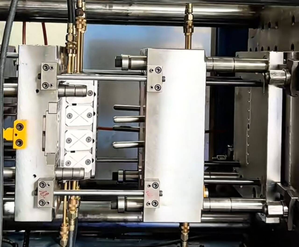
1. Cavity Plate(Fixed Side A): Contains the cavity for the part’s outer shape.
2. Runner Plate(Intermediate Plate): The runner plate sits between the cavity and core plates. It contains a separate channel system for the flow of molten plastic, allowing multiple gating points.
3. Core Plate(Movable Side B): Complements the cavity plate and includes ejector mechanisms for part removal.
This mold separates into three planes during operation: one for the molded part, one for the runner system, and one for the gating system. This ensures that runners and gates are automatically detached from the part during ejection.
Key Features of a Three-Plate Mold:
• Two Parting Lines: Ensures clean separation between the part and runner system.
• Flexible Gate Placement: Allows gates to be positioned anywhere on the part, supporting intricate designs.
Advantages of 3-Plate Molds:
- Flexible Gate Placement: Supports gating on multiple surfaces or at central locations
- Cleaner Part Finish: Gates can be hidden, improving surface aesthetics
- Automatic Runner Separation: Improves production speed and reduces manual labor
- Better for Complex Parts: Ideal for multi-cavity, multi-gate, or high-precision applications
Limitations of Three-Plate Molds:
• Higher Costs: Complexity results in a higher upfront tooling investment.
• Longer Cycle Times: Additional steps for separation extend production cycles.
Example Applications:
3-plate molds are preferred for small, detailed parts like electrical connectors, medical devices, and high-precision automotive components.
2-Plate Mold vs 3-Plate Mold: Critical Differences Explained
When comparing mold designs in injection molding, the 2-plate mold vs 3-plate mold decision plays a vital role in production efficiency, part quality, and cost. Below is a breakdown of the key differences to help you determine which mold type is best suited for your application.
| Feature | 2-Plate Mold | 3-Plate Mold |
|---|---|---|
| Mold Structure | Consists of two main plates: cavity and core | Includes an additional runner plate between the cavity and core |
| Parting Lines | One parting line | Two parting lines for separate runner and part ejection |
| Runner Separation | Manual removal required | Automatic runner separation during mold opening |
| Gate Placement | Limited to edge or single-point gating | Flexible gate positioning anywhere on the part |
| Tooling Cost | Lower cost due to simpler design | Higher cost due to added components and complexity |
| Cycle Time | Faster cycle times due to fewer moving parts | Slightly longer cycles due to staged opening and additional plate movement |
| Ease of Maintenance | Easier to maintain and service | More maintenance required due to complexity and more wear-prone components |
| Ideal Applications | Best for large, simple, or cost-sensitive parts | Suitable for small, intricate, multi-gated, or cosmetically demanding parts |
Tip for Engineers & QA:
- During DFM (Design for Manufacturability) and mold flow simulation, consider using a 3-plate mold when part quality, cosmetics, or performance are critical.
- Use a 2-plate mold when simplicity, cycle time, or tooling cost is the priority, and parts are less sensitive to appearance or dimensional shifts.
Choosing the Right Mold for Your Project
The decision between a 2-plate and 3-plate mold should be based on your product’s design complexity, production volume, and budget.
Use a two-plate mold if:
- Your part design is simple or large in size.
- You need quick cycle times.
- Budget is a key concern.
- Manual runner trimming is acceptable.
Use a 3-plate mould if:
- You require clean surface finishes that include hidden gates.
- Your part is small, intricate, or multi-gated.
- You want to reduce labor through automatic runner removal.
- Parts aesthetics or tolerances are critical.
Conclusion
At DSW, we specialize in designing and manufacturing both 2-plate and 3-plate moulds to meet various needs.
Whether you’re manufacturing large industrial components or finely detailed, high-precision parts, our expertise ensures you select the most cost-effective and performance-optimised mould type for your application.
Contact us today to discuss the best solution for your next injection molding project!