


Rapid Tooling: Prototyping and Small-Batch Production
Rapid tooling has become a cornerstone of modern manufacturing, enabling fast prototyping and cost-effective small-batch production. Combining speed, efficiency, and flexibility, it is a critical bridge between prototype development and mass production.
What is Rapid Tooling?
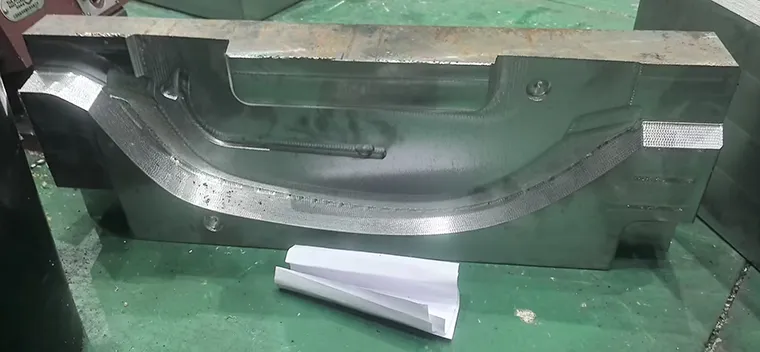
Rapid tooling is a streamlined process for creating moulds, typically for low-volume production or rapid prototype tooling. It allows manufacturers to quickly test designs and produce parts without traditional tooling methods’ high costs and long lead times.
Prototyping allows for evaluating a product’s appearance, functionality, and manufacturability. Standard methods include 3D printing and CNC machining, which are quick and cost-effective but have limitations such as material discrepancies and difficulties producing complex shapes. Rapid tooling, essentially a low-volume injection moulding process, overcomes these challenges by allowing the testing of different materials and injection moulding issues without altering part designs.
Terminology Clarification
- Rapid Tooling: A fast and cost-effective method for producing injection moulds, typically used for short production runs or testing mouldability with production-grade materials.
- Rapid Prototyping: Techniques like 3D printing or CNC machining used to quickly produce models or parts for evaluating form, fit, and function — often not made from final production materials.
- Bridge Tooling: Interim tooling used between prototyping and mass production to produce a limited volume of parts while final production tools are being completed.
- Prototype Tooling: Tooling made to produce prototypes in final or near-final materials, allowing for realistic testing before committing to full-scale production tooling.
Prototyping with Rapid Tooling
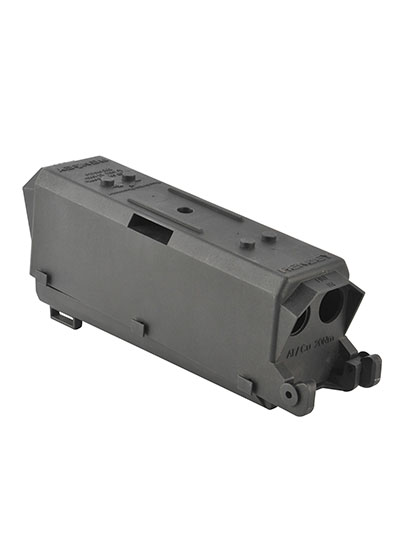
Prototype tooling enables manufacturers to evaluate a product’s appearance, functionality, and manufacturability before committing to full-scale production. Using methods like 3D printing and prototyping or CNC machining prototyping, rapid tooling allows for producing parts in materials that closely resemble the final product. Unlike other methods, rapid tooling supports more intricate geometries and diverse materials, making it a versatile choice for 3D printing rapid prototyping and design validation.
Enabling Small-Batch Production
Rapid tooling is ideal for short production runs or bridge tooling before mass production. Traditional moulds are costly and built for durability over tens or hundreds of thousands of cycles. However, this investment often isn’t justified for low-volume manufacturing, such as pilot launches, niche products, or market testing.
By using cost-effective mold materials like aluminum or pre-hardened steel, rapid tooling significantly reduces:
- Tooling lead time (often ready in 1–2 weeks),
- Initial tooling costs, and
- Time to market.
This makes it the perfect choice for companies needing small batches or those uncertain about long-term production volumes.
In today’s rapidly evolving world, the pace of technological advancement significantly impacts both everyday life and the manufacturing industry. Rapid tooling has emerged as a pivotal response to these changes, offering faster and more cost-effective solutions for product development and small-batch production.
Rapid Tooling Process: Cost and Time Efficiency
Production Tooling Process
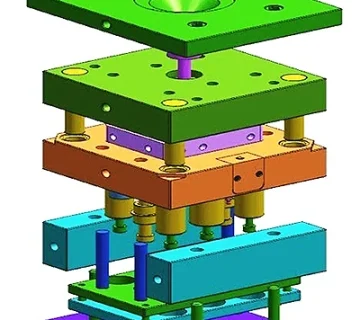
- Mold Design: A mould design is created based on the product’s CAD design, and necessary materials are ordered.
- Mold Cavity and Core: Mold cavities and cores are machined using CNC or EDM processes.
- Heat Treatment: Enhances the hardness and durability of mold components.
- Mold Assembly: Components are precisely assembled.
- Mold Surface Preparation: Texturing methods include chemical etching, electroforming, laser texturing, and manual tooling.
- Mold Polishing: Ensures a smooth, uniform surface.
- Surface Treatment (Optional): Additional coatings enhance durability.
- Mold Fitting and Testing: Ensures proper alignment and functionality in the injection molding machine.
Rapid Tooling Materials
| Material | Characteristics | Common Uses |
|---|---|---|
| Aluminium | Soft, easy to machine | Prototype tooling, low wear |
| P20 Tool Steel | Pre-hardened, good polishability | Short-run injection molds |
| Maraging Steel | High hardness and toughness | Hybrid or bridge tooling |
Rapid Tooling Process: Step-by-Step
- CAD and Mould Design:
The design is streamlined for rapid production, with cost-efficiency and manufacturability as key priorities. - Material Selection:
Materials like aluminium and pre-hardened P20 steel are chosen for their machinability and suitability for low-volume runs. - Tooling Fabrication:
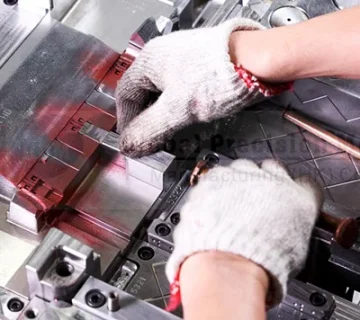
CNC machining is used for most components, while EDM is reserved for features with complex geometries. - Mould Assembly and Fit Verification:
All mould components are assembled and inspected to ensure dimensional accuracy and operational integrity. - Pilot Testing:
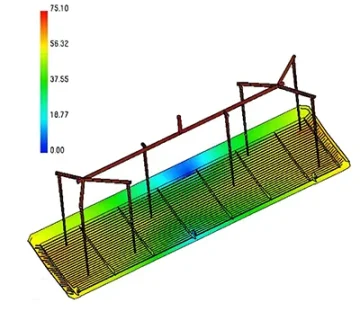
Initial mould trials assess part quality, including material flow, cooling performance, and surface finish.
- Mold Design: Optimized for cost and efficiency, favour simpler designs for low-volume production.
Compared to conventional tooling, rapid prototyping models use recycled mold bases and simplified designs to reduce production time and cost significantly.
Comparison: Rapid Tooling vs. Conventional Tooling
| Aspect | Rapid Tooling | Conventional Tooling |
| Speed | 7-15 days | 4-8 weeks |
| Tooling Cost | Low overhead costs | High overhead costs |
| Ideal Production Volume | 1,000-30,000 parts | ~30,000+ parts |
| Applications | Product Validation, bridge tooling, short-run production | Mass production |
Advantages and Limitations
Advantages:
- Speed and Efficiency: Significantly reduces mold creation time.
- Cost-Effectiveness: Lower initial costs and faster production reduce overall expenses.
- Design Flexibility: Allows for modifications even after tooling begins.
- Material Selection: Supports a wide range of materials.
- Customization and Prototyping: Ideal for diverse and specific product designs.
Limitations:
- Limited Tool Life: Softer materials result in a shorter lifespan.
- Material Constraints: Fewer material options compared to traditional tooling.
- Complexity: Challenges in producing highly intricate designs.
- Tolerance and Precision: More challenging to achieve tight tolerances.
- Volume Limitations: Less efficient for very high production volumes.
Innovations in Rapid Tooling: Metal 3D Printing
Metal 3D printing transforms the creation of mold cores and cavities by enabling intricate geometries that are not possible with traditional methods. This technique supports rapid prototyping and the application of rapid prototyping in industries like automotive and aerospace. However, post-processing is often required, and costs may exceed conventional techniques.
Conclusion
Rapid tooling bridges the gap between prototyping and mass production, offering manufacturers a fast, efficient, and cost-effective way to test designs and produce parts in small quantities. As rapid prototyping companies continue to innovate, technologies like 3D printing rapid prototyping and rapid injection molding will drive further advancements in manufacturing, making the process even more accessible and versatile.
Rapid tooling is invaluable for modern manufacturing, whether you’re developing a prototype or preparing for small-batch production.


No comment