


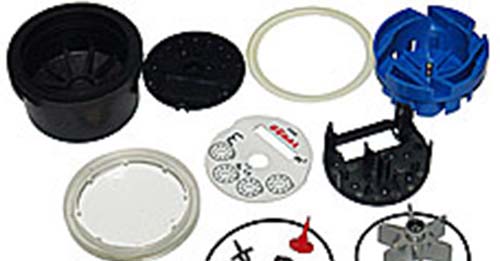
WaterMeter Mechanism
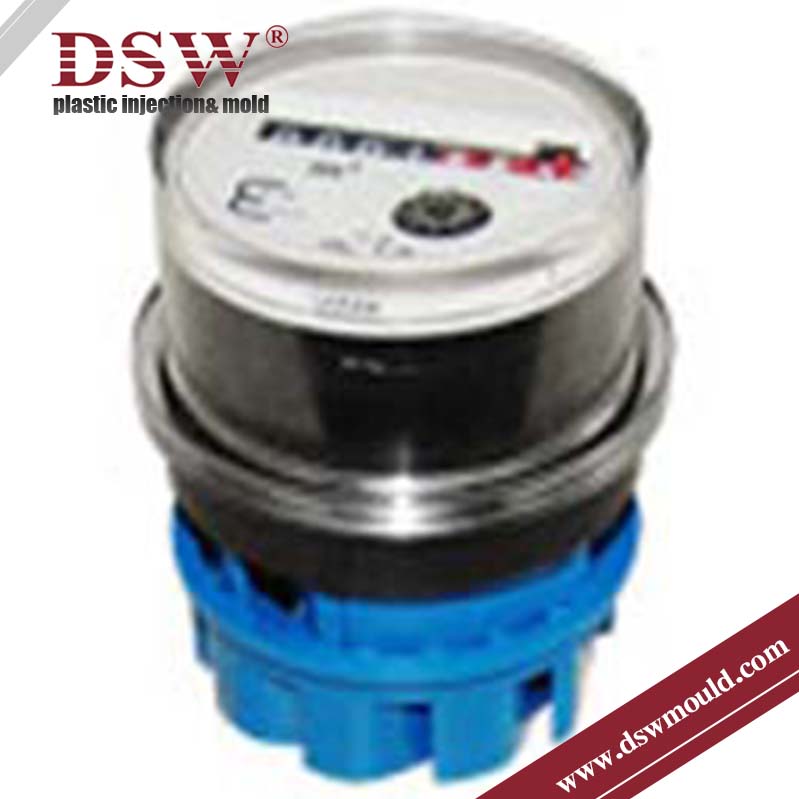
DSW is a prominent watermeter Mechanism, components, and metering solutions supplier in China.
We offer a wide range of water meter mechanisms, including positive displacement and turbine-based designs.
Water Meter Mechanism Core
The mechanism core is the heart of the water meter. It precisely measures and records water flow, enabling accurate billing and consumption monitoring.
- Type: Class B or Class C (EEC approved)
- Designs Available: Positive displacement and turbine-based mechanisms
- Standards Compliance: ISO 4064, BS 5728, EEC specifications
- Applications: Domestic and municipal water metering systems
DSW’s mechanism cores are designed for long-term reliability and accuracy, even under challenging flow conditions or intermittent usage.
Water Meter Enclosure
The enclosure acts as a protective housing, shielding the internal components from external damage, water ingress, and environmental stress.
- Material: High-strength plastic (customisable)
- Standard Certification: ISO 9001:2008
- Flow Range Options:
- Minimum Flow Rate: The lowest rate at which the meter functions reliably.
- Transitional Flow Rate: The flow at which accurate measurement begins.
- Nominal Flow Rate (QN): The average usage range.
- Maximum Flow Rate (Qmax): Emergency capacity; exceeding this may cause damage.
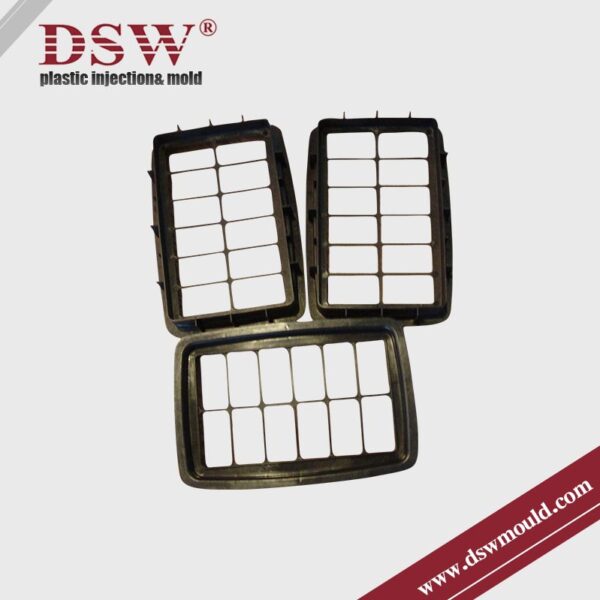
Our enclosures are designed for mechanical and electronic (smart) meters, accommodating various installation environments.
What Are the Key Plastic Components in a Water Meter?
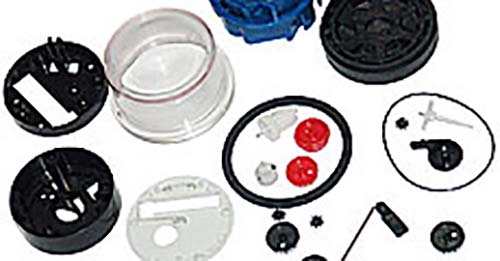
Plastic plays a vital role in modern water-meter construction due to its durability, corrosion resistance, and lightweight nature. Standard plastic components include:
- Outer Housing/Body – Provides structural protection
- Measuring Chamber – Encases moving parts for flow detection
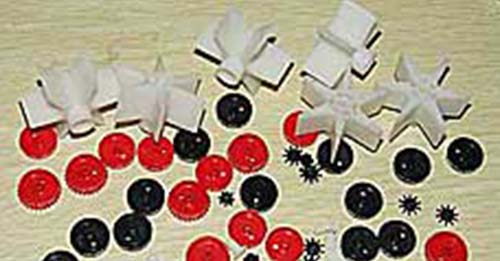
- Impeller/Turbine – Measures water flow in budget and compact models
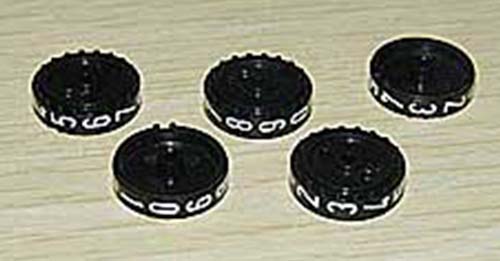
- Gears – Transmit mechanical motion to displays or sensors
- Register Cover – Transparent or translucent for readability
- Sensor Housing – Shields electronic sensors in smart meters
- Seals & Gaskets – Ensure leak-free operation
- Battery & Communication Module Housing – Used in IoT-enabled models
- Flow Restrictors & Control Valves – Optional internal components for flow regulation
These parts are typically made from engineering plastics such as nylon (PA) or polyoxymethylene (POM) for their mechanical strength, water resistance, and molding precision.
Using plastic for these components offers durability, resistance to corrosion, and cost efficiency, which are essential for the performance and longevity of water meters.
Manufacturing Challenges and Solutions
Plastic Molding for Durable, Accurate Water Meter Components
Producing high-quality plastic water meter components requires addressing several technical challenges:
- Dimensional Accuracy: Tight tolerances are essential to ensure proper fit, seal integrity, and functional measurement—especially in parts like impellers, gears, and chambers.
- Material Selection: Components must endure continuous exposure to water, pressure fluctuations, and temperature changes. DSW uses advanced plastic resins like PA, POM, and custom blends to meet these demands.
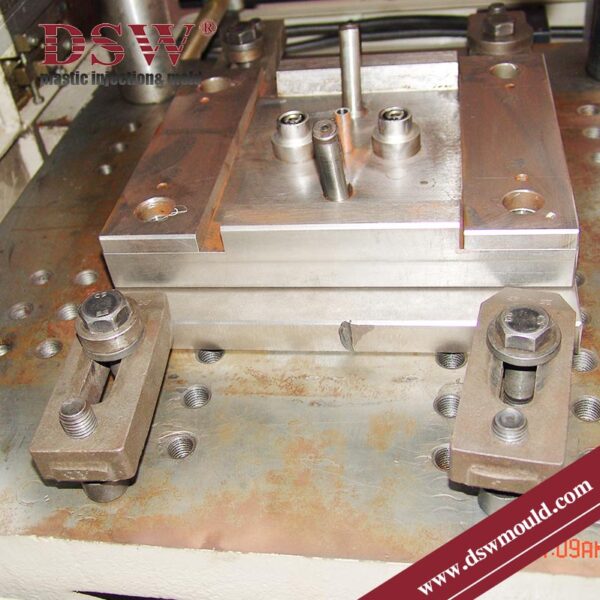
- Tooling & Molding Precision: Our in-house tooling and injection molding capabilities are designed to meet high-volume production requirements without compromising precision or repeatability.

Features
Accuracy: Accuracy is a critical quality factor for water meters. The gear train translates the rotational movement from the measuring chamber into readable units showcased on the register. This intricate assembly typically encompasses gears, shafts, and other essential mechanical components. However, as time progresses, accuracy may be compromised due to mechanical wear and tear or other contributing factors, ultimately leading to imprecise water consumption measurements. Consequently, this can give rise to billing discrepancies and customer dissatisfaction. Therefore, it is imperative to ensure high accuracy by employing high-quality PC or ABS plastic parts and robust mechanical components.
Durability: Water meter mechanisms should be designed to withstand the harsh conditions often encountered in water distribution systems, including exposure to water, chemicals, and varying temperatures. Poor durability can result in premature failure, leading to the need for frequent replacements and increased maintenance costs.
Component Reliability: The reliability of individual components within the water meter mechanism is essential. Components such as gears, bearings, and sensors should be designed to withstand frequent usage and potential mechanical stress. Failure of these components can lead to meter malfunction or inaccurate readings.
Tamper Resistance: Water meters should be designed to deter tampering or unauthorized access. Any vulnerabilities in the mechanism that allow tampering can result in water theft, inaccurate readings, or damage to the meter.
Regulatory Compliance: Water meters must comply with industry standards and regulations to ensure accurate measurement and fair billing. Non-compliance can result in legal issues, disputes, and loss of customer trust.

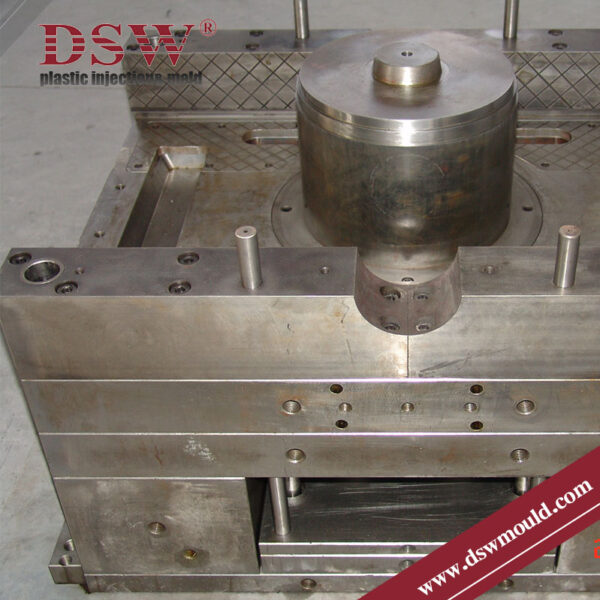
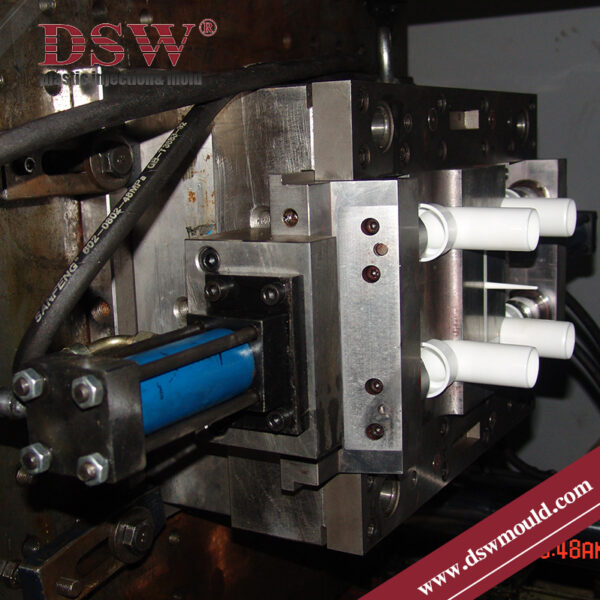
DSW provides mold designers and moulders for water meter mechanisms with improved performance and flexibility opportunities.
Extending actions beyond the mold base and pulling slide cores at complex angles can simplify design, reduce mold size and decrease cost per part.

Reviews
There are no reviews yet.